
No Surgery.
No Hospital Stay.
30 Minutes Procedure Only.
Same day discharged,
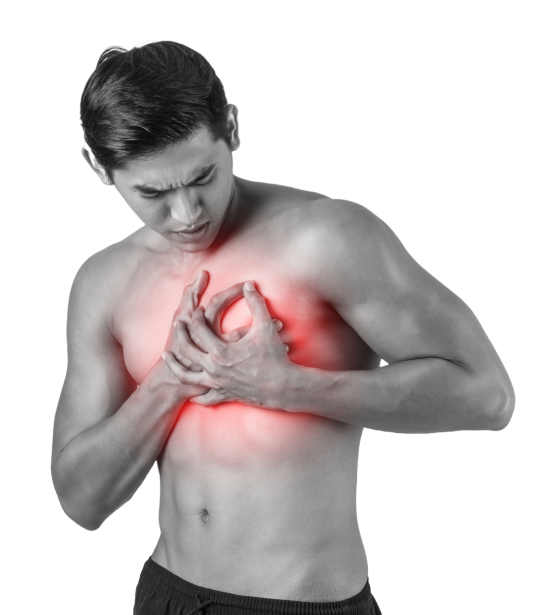
Among Indian adults experiencing chest pain, 75% are female. Contrary to popular belief, only 18% of chest pain cases stem from cardiac issues. Approximately 40% are caused by gastroesophageal conditions, while the remaining 40% are attributed to musculoskeletal issues. These musculoskeletal causes involve problems with cartilage, ligaments, tendons, and connective tissues.
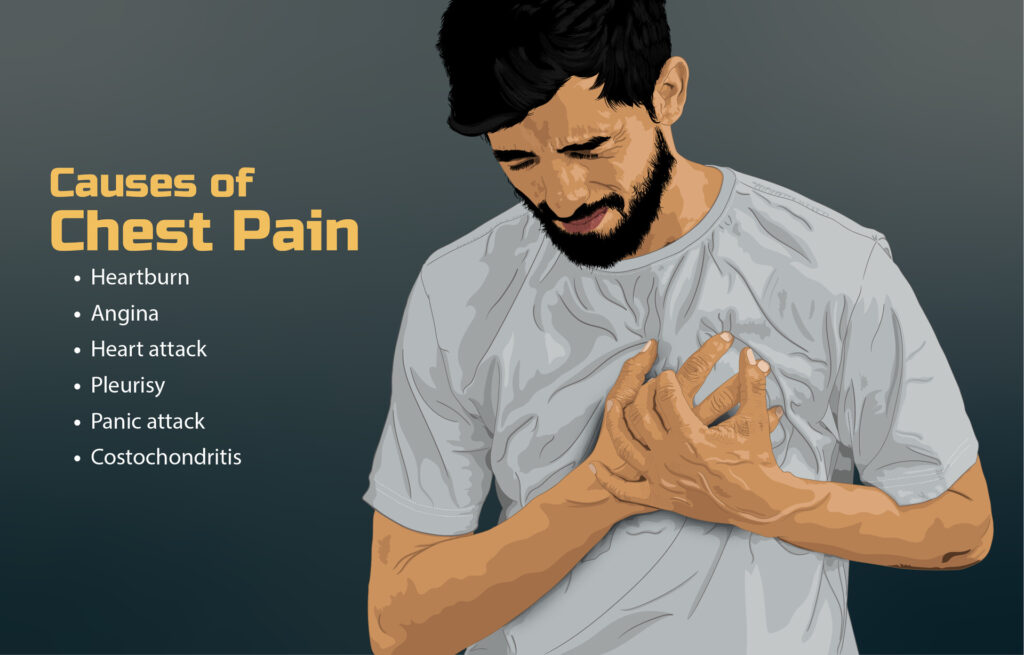
Heart-Related Causes: Various heart conditions can lead to chest discomfort, including heart attacks, angina, aortic dissection, and pericarditis.
Digestive Causes: Chest pain may also result from digestive disorders such as GERD (Gastroesophageal Reflux Disease), pancreatic issues, and swallowing disorders.
Lung-Related Causes: Lung conditions like pulmonary embolism, pleurisy, pleural effusion (leading to lung collapse), and pulmonary hypertension are known to trigger chest pain.
Musculoskeletal Causes: Issues with muscles, bones, cartilage, tendons, and connective tissues in the chest area can also lead to pain or discomfort.
Although roughly half of the cases subside within a year, some individuals continue to experience pain and its associated limitations. Minor injuries to the muscles, tendons, or ligaments in the neck often trigger neck problems, leading to pain that typically resolves without intervention. Factors such as sleeping in an awkward position can contribute to temporary neck discomfort that typically subsides relatively quickly. Additionally, injuries, poor posture, and repetitive movements are known to be culprits in causing neck pain.
Herniated cervical disc, facet joints, neck muscles, torticollis, whiplash injury, cervical vertebral fracture, ankylosing spondylitis, fibromyalgia, rheumatoid arthritis, cervicogenic headaches.
Chest pain can cause sensations of pressure, fullness, burning, or tightness. In some cases, it may radiate to the back, neck, jaw, shoulder, or one or both arms, often presenting as sharp or intense pain. The pain can last for several minutes, worsen with physical activity, and may come and go or vary in intensity. Some individuals may also experience difficulty breathing. These symptoms can limit daily activities, forcing individuals to rest and potentially affecting overall body performance and posture over time. Whether during walking, running, driving, or sleeping, chest pain can range from mild and easily ignored to severe, interfering with normal activities.
Let me know if you’d like further adjustments!
WhatsApp us