No Surgery.
No Hospital Stay.
30 Minutes Procedure Only.
Same day discharged,
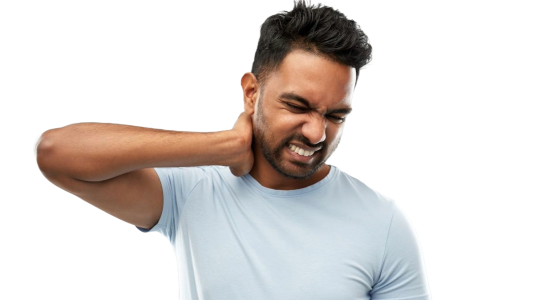
Neck pain, also referred to as cervical pain, is a prevalent issue affecting approximately two-thirds of the population at some stage in their lives. It impacts around 5% of people and is more frequently observed in women than in men.
Although roughly half of the cases subside within a year, some individuals continue to experience pain and its associated limitations.
Minor injuries to the muscles, tendons, or ligaments in the neck often trigger neck problems, leading to pain that typically resolves without intervention. Factors such as sleeping in an awkward position can contribute to temporary neck discomfort that typically subsides relatively quickly. Additionally, injuries, poor posture, and repetitive movements are known to be culprits in causing neck pain.
Herniated cervical disc, facet joints, neck muscles, torticollis, whiplash injury, cervical vertebral fracture, ankylosing spondylitis, fibromyalgia, rheumatoid arthritis, cervicogenic headaches.
Overuse and poor posture , such as too many hours hunched over a steering wheel, laptops, mobile phones and other electronic gadgets often triggers muscle strains. Even such minor things as reading in bed or gritting your teeth can strain neck muscles.
Just like all the other joints in your body, neck joints tend to undergo wear and tear with age, which can cause osteoarthritis in the neck.
Herniated disks or bone osteophytes (abnormal growth) in the vertebrae of the neck can take up too much space and press on the nerves branching out from the spinal cord.
Rear-end automobile collisions often result in whiplash injuries, which occur when the head is jerked backward and then forward, stretching the soft tissues of the neck beyond their limits.
Neck pain is commonly associated with dull aching. Sometimes pain in the neck is worsened with movement of the neck or turning the head. Other symptoms associated with some forms of neck pain include numbness, tingling, tenderness, sharp shooting pain, fullness, difficulty swallowing, pulsations, swishing sounds in the head and dizziness or light-headedness.
Neck pain can also be associated with headache, facial pain, shoulder pain and arm numbness or tingling (upper extremity paresthesias). These associated symptoms are often a result of nerves getting pinched in the neck. Depending on the condition, sometimes neck pain is accompanied by upper back and/or lower back pain, as is common in inflammation of the spine from ankylosing spondylitis.
WhatsApp us