
No Surgery.
No Hospital Stay.
30 Minutes Procedure Only.
Same day discharged,
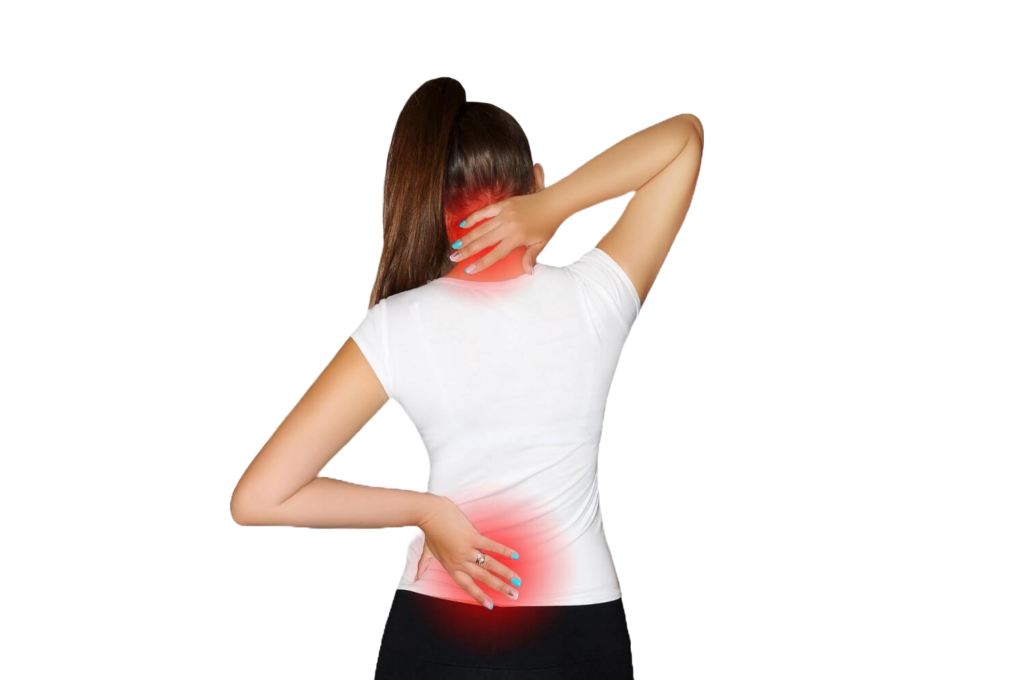
Sciatica is a chronic pain condition in which someone can experience pain in the area of their low back, buttock, and leg. The pain may also be felt near their toes due to inflammation of the sciatic nerve, which is the biggest nerve of the body.
This pain is typically not located on both legs, but sometimes it can be found on one side or both. A herniated disc or pinched nerve could cause this type of pain. This type of pain may feel dull or sharp and may or may not be accompanied by numbness or tingling.
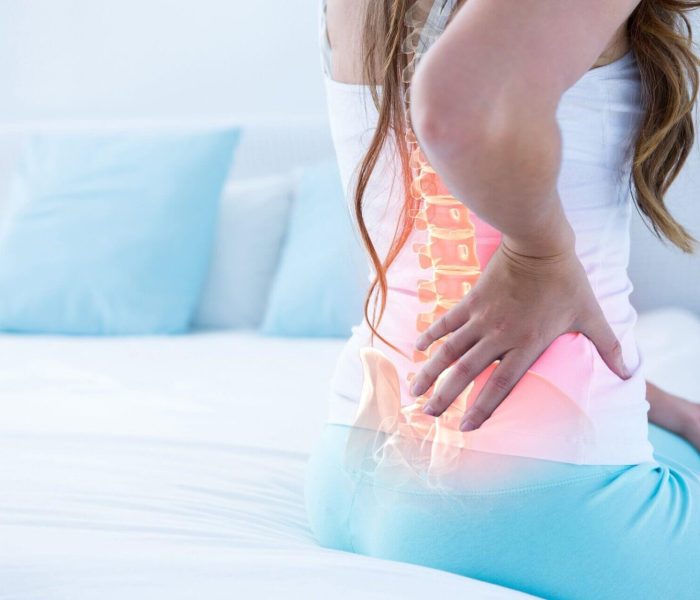
There are many potential causes of sciatica, and often multiple factors contribute to the development of this condition.
COMMON CAUSES INCLUDE:
Herniated or bulging discs: When the discs that cushion the vertebrae in the spine become damaged or begin to bulge, they can press on the nerves that travel through the spine, leading to pain.
Degenerative disc disease: This condition occurs when the discs in the spine deteriorate with age, which can also lead to nerve compression and pain.
Spinal stenosis: This is a condition in which the spinal canal narrows, putting pressure on the nerves. It is often seen in older adults.
Spondylolisthesis: This is a condition in which one of the vertebrae slips out of place, again causing pressure on the nerves.
Pregnancy: The added weight and change in center of gravity during pregnancy can put strain on the back and lead to sciatica pain.
Oftenly, the pain will resolve itself in a matter of weeks or months. This is one reason why our physician recommends a conservative approach, especially during the initial stages.
Medications
Physical therapy: This usually consists of activities to improve the flexibility while correcting the posture and strengthening the muscles that support the back.
Surgery: Surgery is considered when a compressed nerve produces substantial weakness, bowel or bladder control loss, or pain that does not improve with conventional treatments.
Non-surgical pain management: Interventional treatments for sciatica pain management can be a faster and more effective source of pain relief. These procedures are beneficial when conservative medical care and drugs have failed to relieve severe pain.
Lumbar epidural injection– Using fluoroscopy , Your doctor will insert a small needle into the epidural area and inject a small dose of a mixture of anti-inflammatory medication and anesthetic. This will reduce inflammation, letting the pressure off of pain-generating spinal nerves & giving a good pain relief.
Transforaminal Epidural Steroid Injection – This procedure is similar to the one above, but instead of injecting the medication directly into the epidural area, the drug is focused directly onto the nerve fibres that make up the sciatic nerve, resulting in delivery of more medication in the affected area.
Spinal cord stimulations: It is a wonderful and effective therapeutic option that can relieve pain without surgery when the inflammation in and around the afflicted nerves is too high for an epidural injection.
Microdiscectomy: If there is severe inflammation in and around the affected nerves due to the large slipped disc & conservative measures have failed to provide relief , another alternative is microdiscectomy. Some of the injured disc material surrounding the nerve(s) is removed during microdiscectomy.
The pain physicians at Stork Pain Clinics are uniquely specialised in this modern, minimally-invasive interventions for effective pain management, providing you with comfort and tender care. If you suffering from nerve pain & looking solutions for you or your loved one, please contact us .
WhatsApp us